
My Journey in Game Development: From Amateur Modding to Unity Developer
My name is Clément Garcia, and I’ve been a Unity developer specializing in game development for several years. If today I can work in a field I’m passionate about, it’s thanks to a journey that’s anything but linear: modding, self-taught learning, private school, public school, professional experiences. Through these stages, I’ve explored different ways to learn and create while discovering the realities—sometimes very different ones—of the industry. Here’s my story.
1. The beginning: modding on Call of Duty
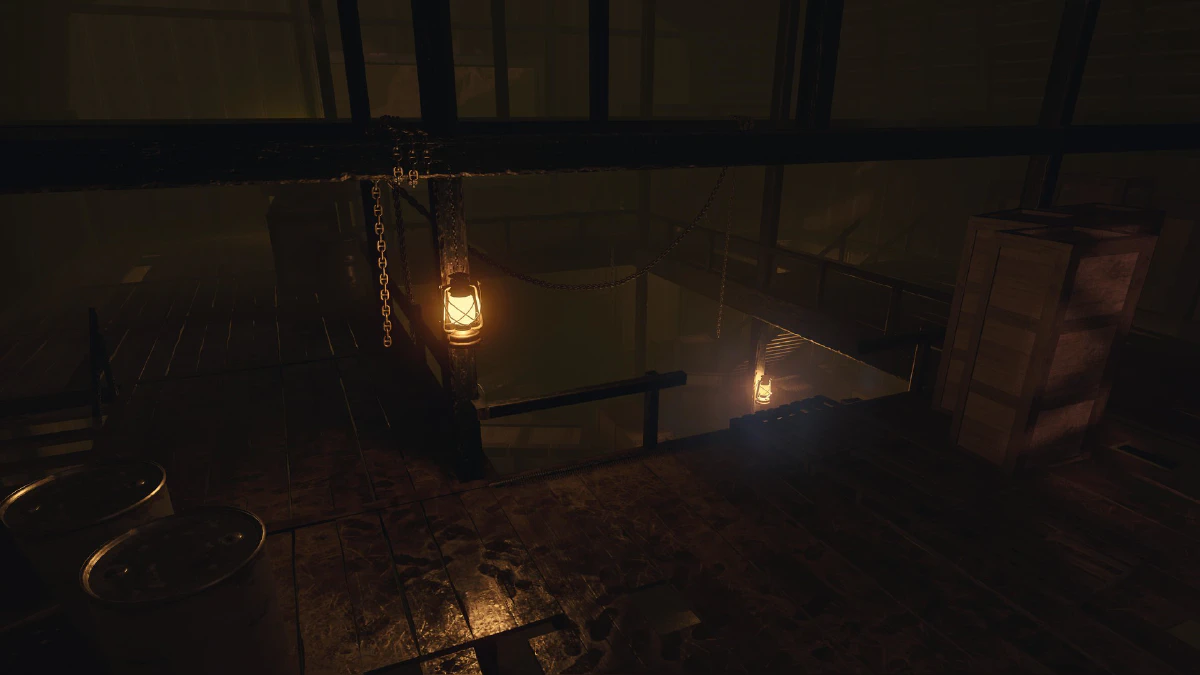
Before touching Unity, I started with modding on Call of Duty: Black Ops 3, specifically for its Zombies mode. The basic idea was simple: create my own maps and scenarios, just for fun. I’ve always been fascinated by the concept of evolving in a familiar environment, so I recreated my apartment, my neighborhood… and discovered how much fun it was to see these places transformed into apocalyptic survival grounds.
Understanding the game engine
At first, I was tinkering somewhat randomly. But very quickly, I realized there were level design and game design rules to follow. Modding forced me to become interested in:
- level composition
- navigation management and pathfinding
- creating events and scripts to bring maps to life
I created two remasters (Farm and Nuketown), which allowed me to go even further: I had to reproduce existing mechanics, which meant programming.
2. Discovering programming
Programming came somewhat out of necessity. To make my remasters faithful to the originals, I had to reimplement certain features. That’s where I learned:
- instruction logic
- variable management
- gameplay script structure
Primitive technical conditions
Back then, I was writing code with Sublime Text, without autocompletion or real-time verification. Errors only appeared when compiling the map, which could take time. It was frustrating, but also very educational: you had to be precise, methodical, and patient.
3. Moving from mapping to gameplay: the Zombies Experience Mod
Over time, I set aside map creation to focus on gameplay and engine modification. This is how the Zombies Experience Mod was born. My goal: fill the gaps in the original game and enhance the player experience.
Among the additions I developed:
- 8-player matches (instead of 4)
- Intelligent bots to supplement solo sessions
- Progression and customization system
This mod met with some success and, to my great pride, inspired other creators. Seeing my ideas picked up, adapted, and improved by the community was a real reward.
4. Private school: enthusiasm… then disappointment
In parallel, I decided to pursue a professional training program at a private school specializing in game development. My goal: work on concrete projects, build a network, and learn to collaborate with artists, designers, and other programmers.
An intense experience
For two years, I:
- completed collaborative projects (study projects, end-of-year projects)
- learned to work in a multidisciplinary team
- developed my C# and Unity skills
- was top of my class both years
A missed opportunity
The school offered a work-study program… but only in the 3rd year. However, I had already found an internship contract in my 1st year with La Moutarde, an independent studio. I was counting on waiting until year 3, until just before that year, when the school announced the complete elimination of the work-study program. My contract fell through.
The hardest part? No solutions offered. Just an “I’m sorry,” despite my involvement and the school’s recognition of my projects.
5. Recovery: public school and a broader perspective
Thanks to La Moutarde and the Push Start association, I was able to bounce back. With help from Antoine Chollet, I joined directly in the 2nd year of a Bachelor’s degree in IT at a public school.
What it gave me
- A broader vision of computer science: software architecture, organization, security, networks… as well as information systems.
- A more structured approach to projects
- Skills useful for game development, but also transferable to other sectors
It was also during this time that I continued working with La Moutarde, particularly on console porting, a valuable technical experience.
6. Today: a complete and adaptable developer
With this hybrid journey, I’ve acquired:
- technical versatility (gameplay, tools, porting, architecture)
- the ability to lead a project from A to Z
- real-world experience in the video game industry
I can now adapt to different environments, whether working on a small indie game or a more ambitious project.
7. My thoughts on education
In retrospect:
- Private schools can be interesting for networking (though even that’s debatable) and immersion, but their promises aren’t always kept. Sudden policy changes can break opportunities and dreams.
- Public schools offer a more stable framework, lower costs, and often underestimated teaching quality.
Conclusion
Working in game development is possible, but it requires perseverance, passion, and adaptability. Don’t rely solely on a diploma: combine education, personal projects, and networking to stand out. And most importantly… keep creating, even if just for the fun of it.